Men's Work Boots: Protection, Height and Construction
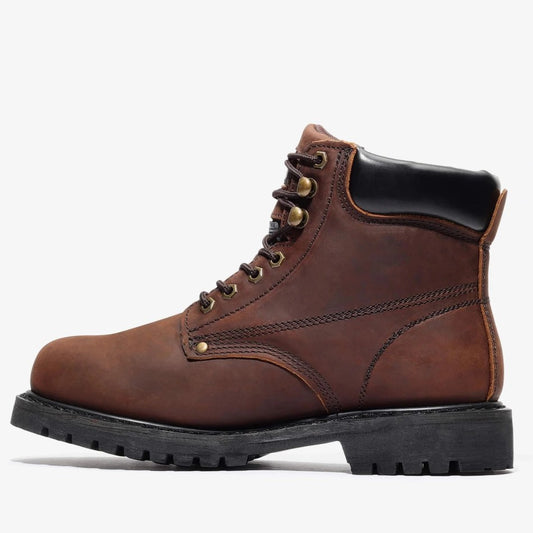
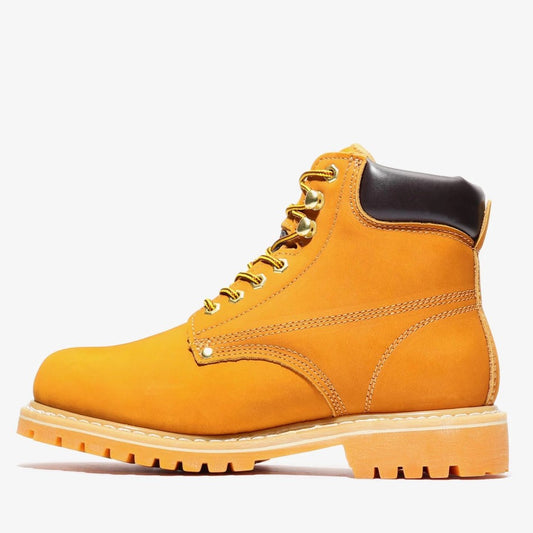
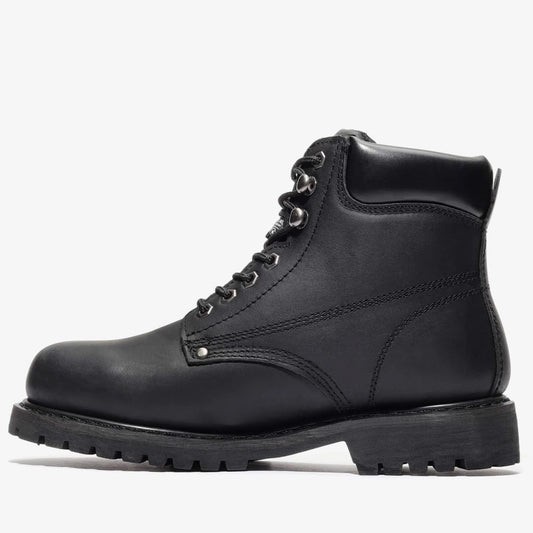
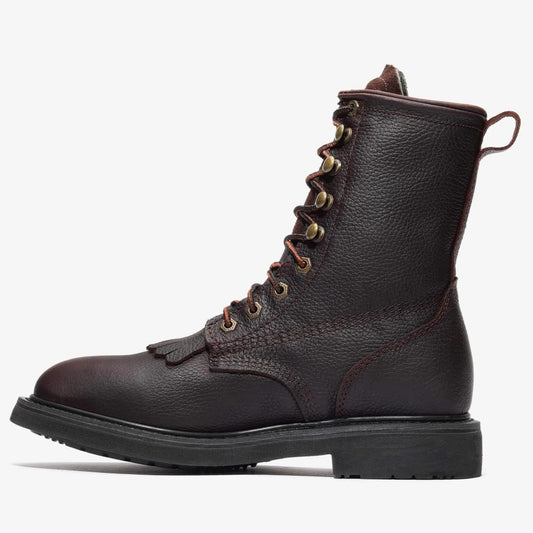
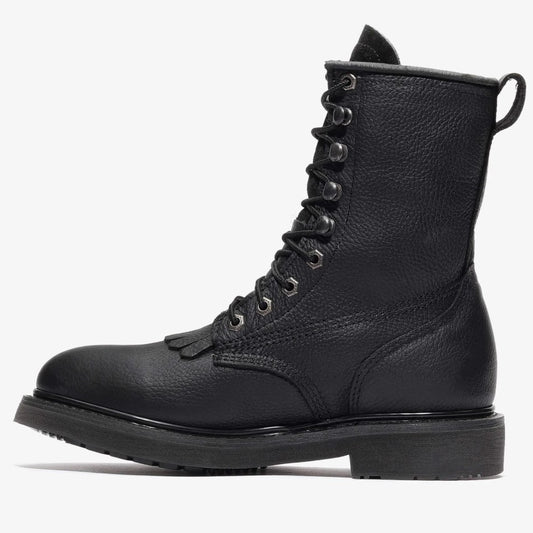
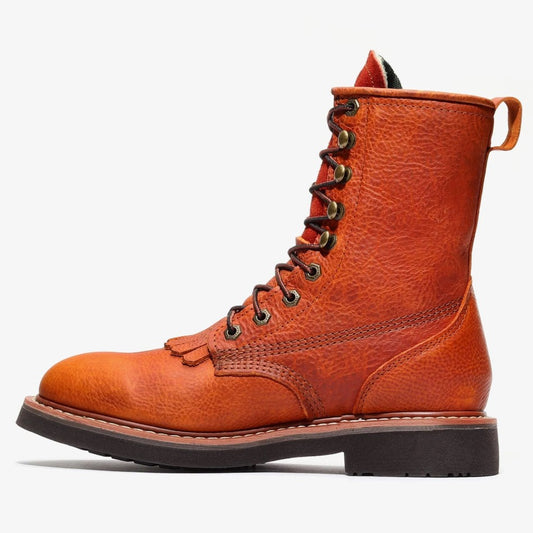
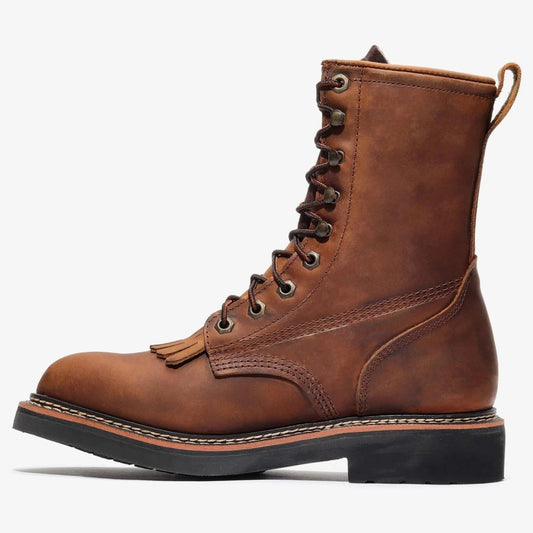
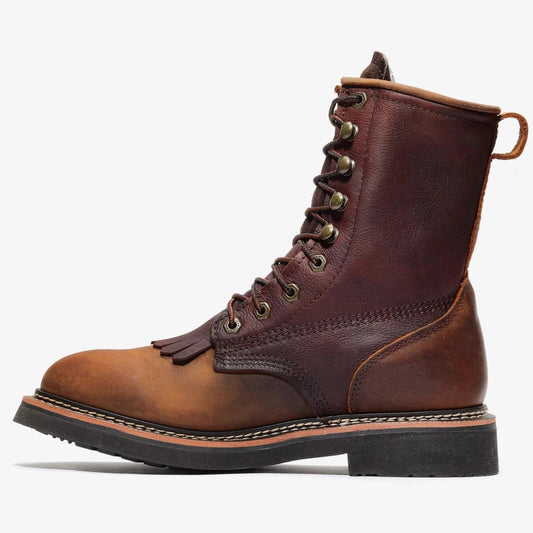
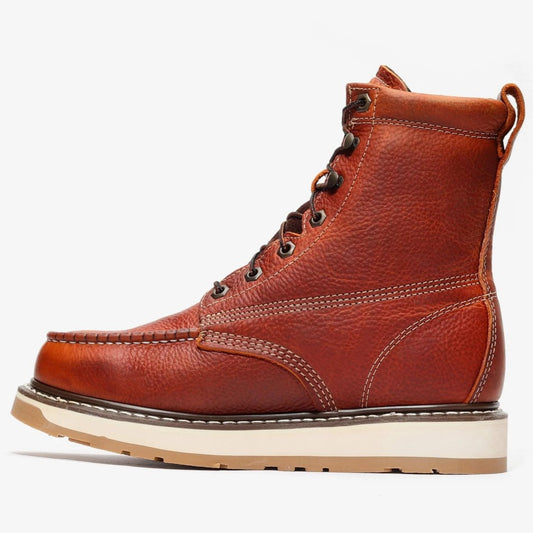
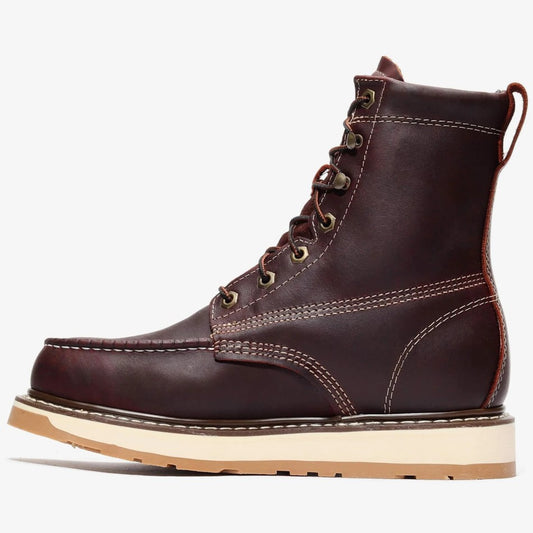
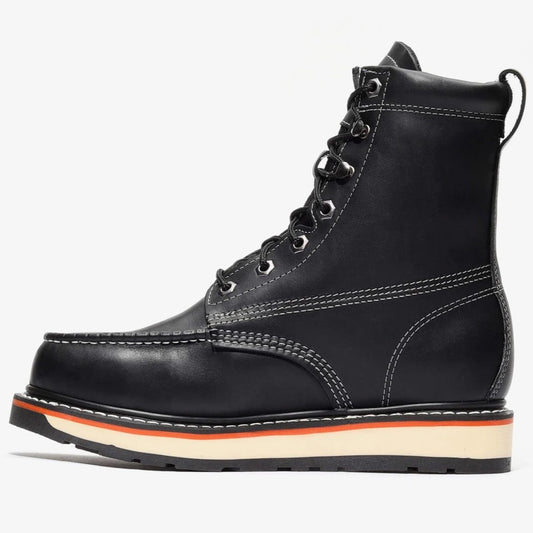
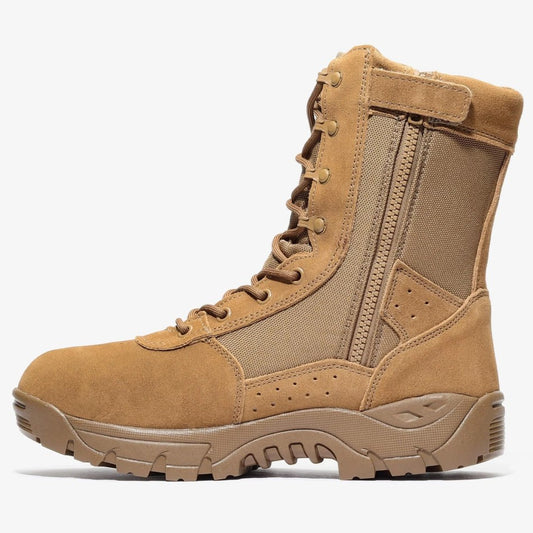
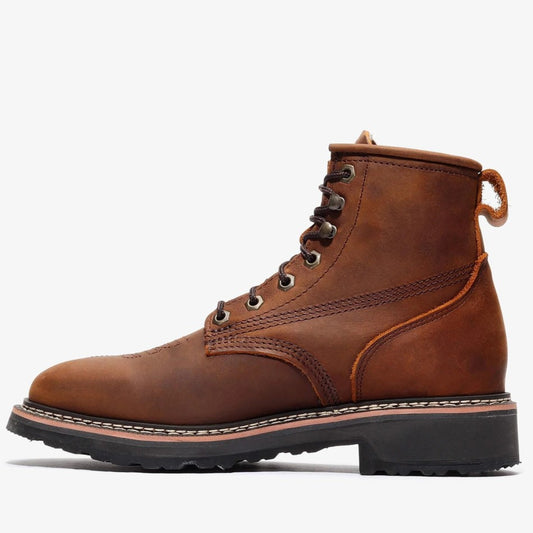
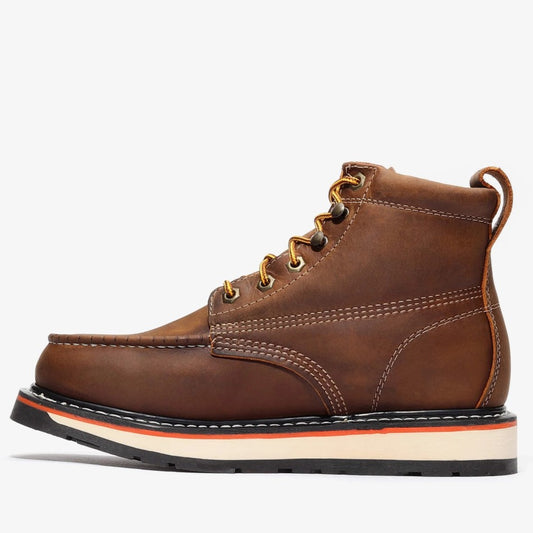
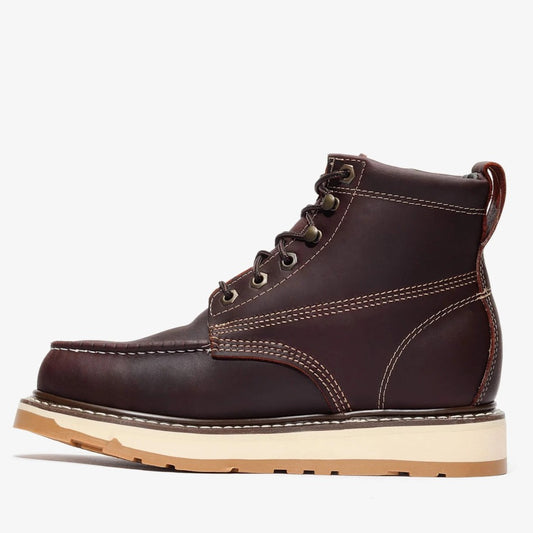
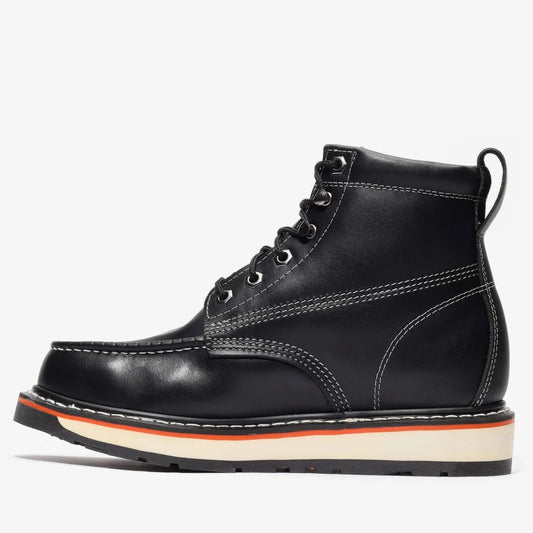
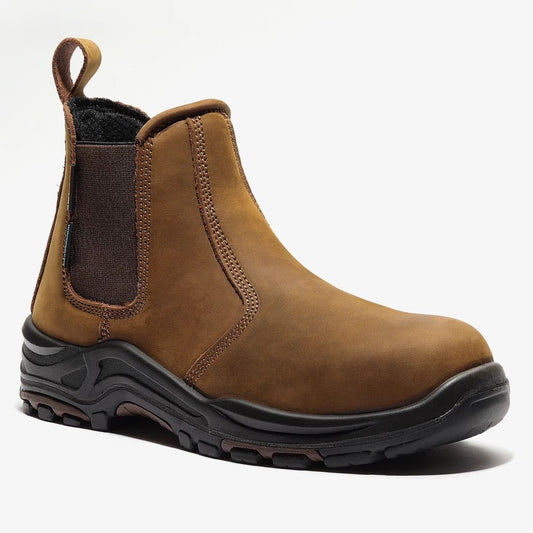
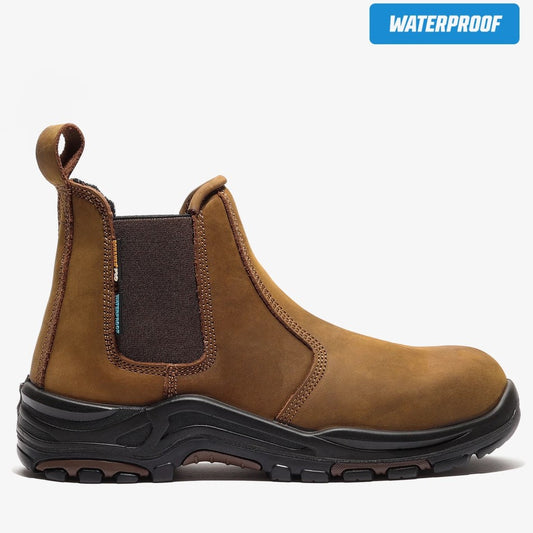
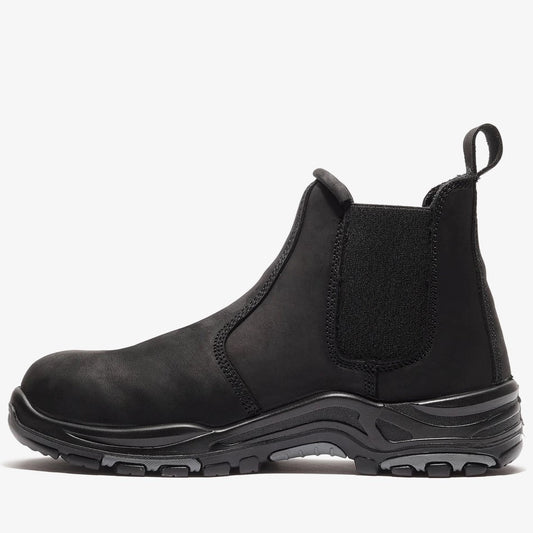
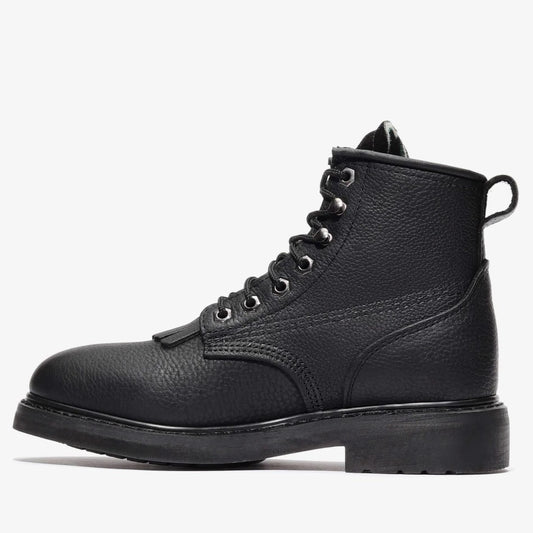
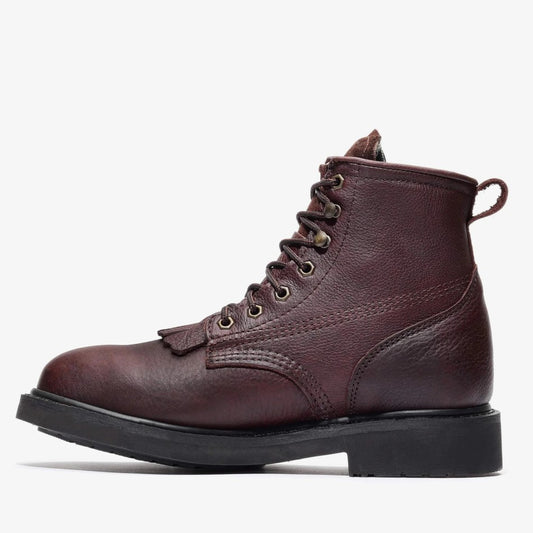
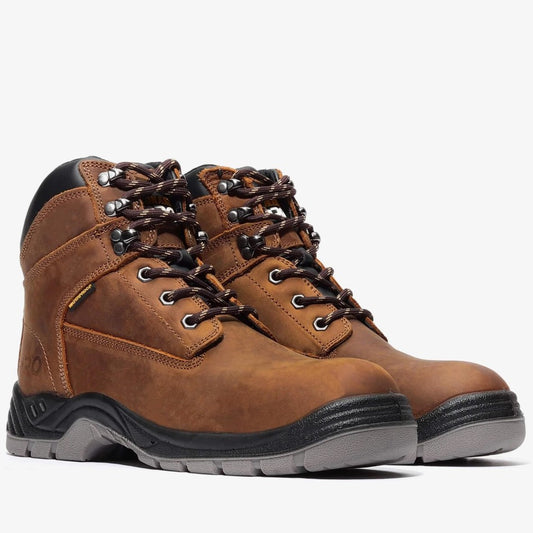
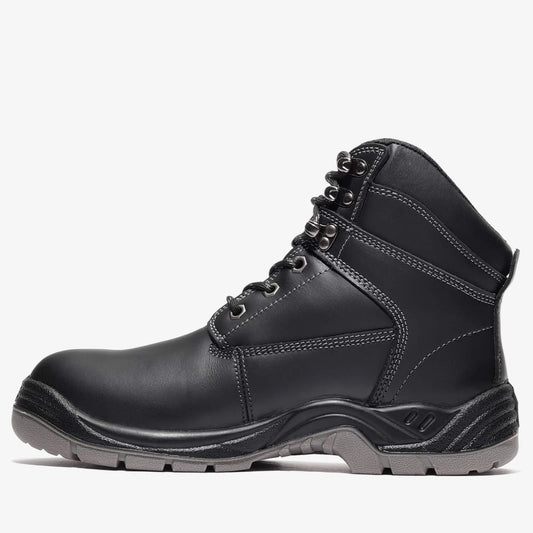
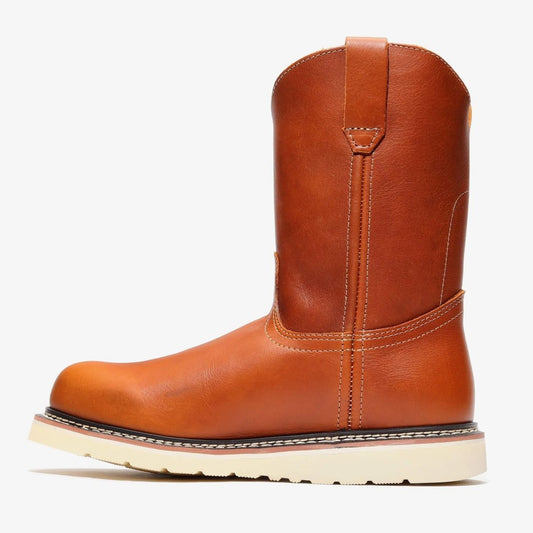
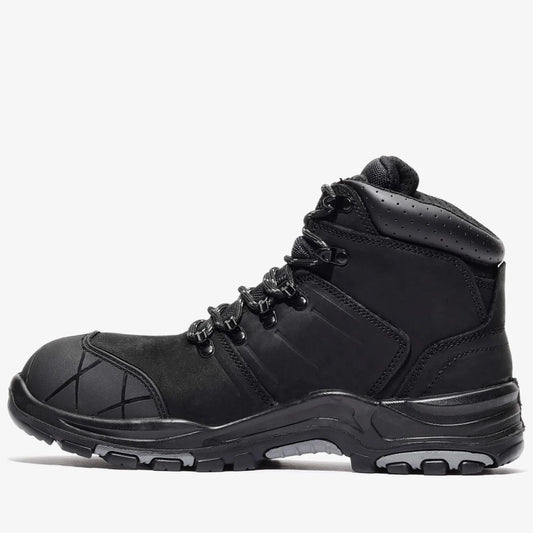
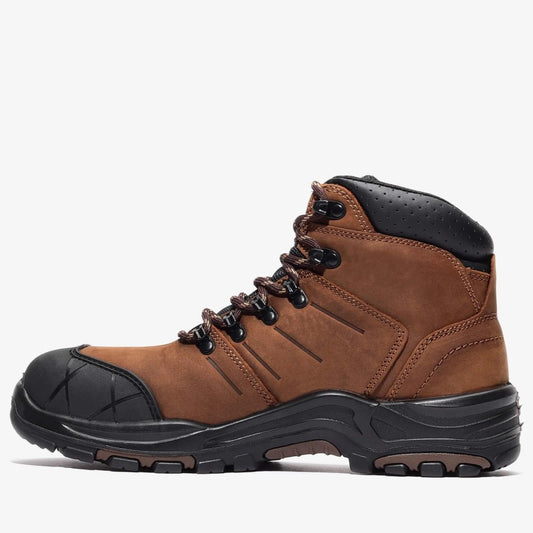
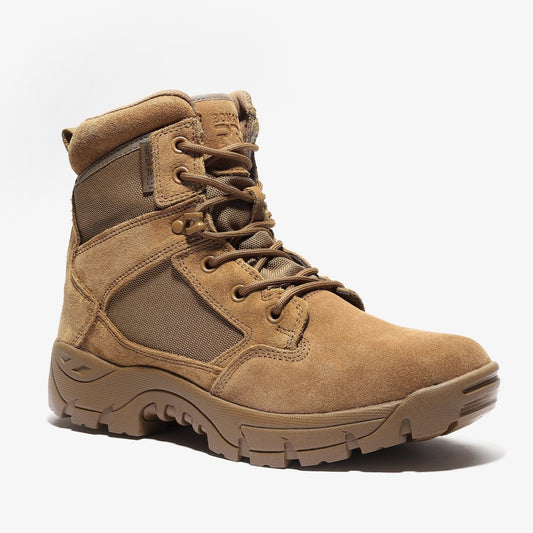
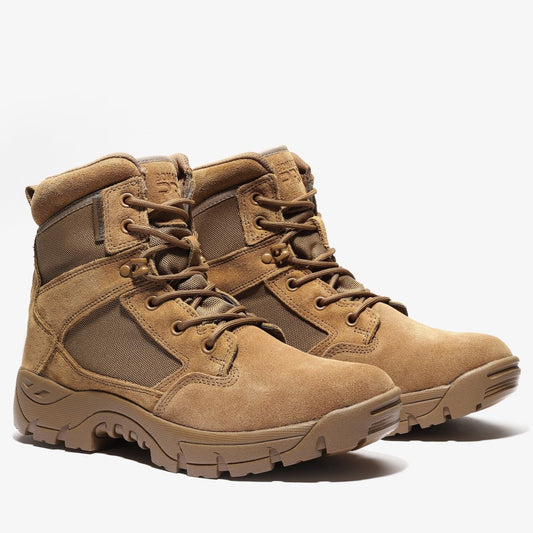
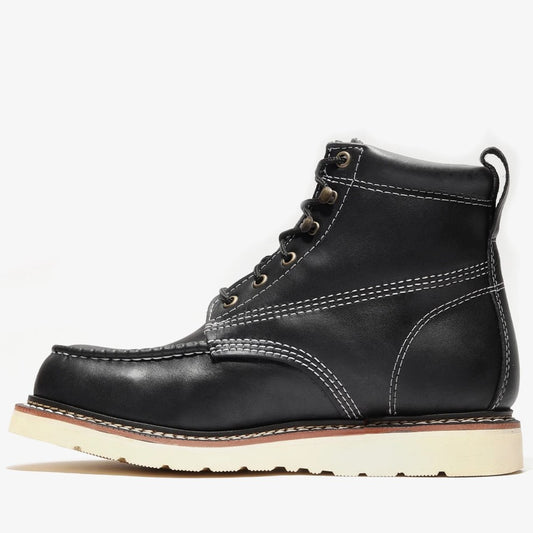
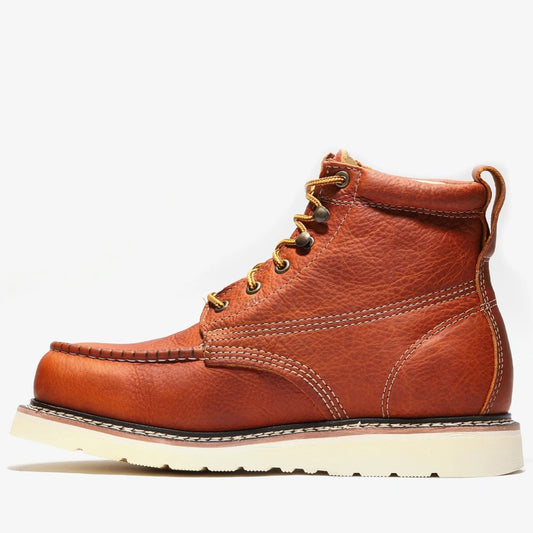
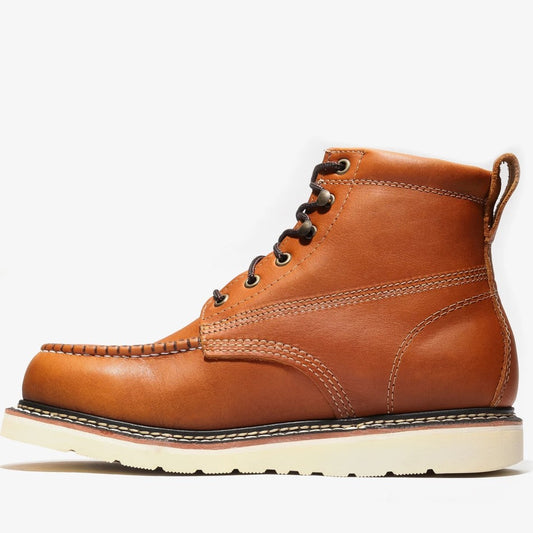
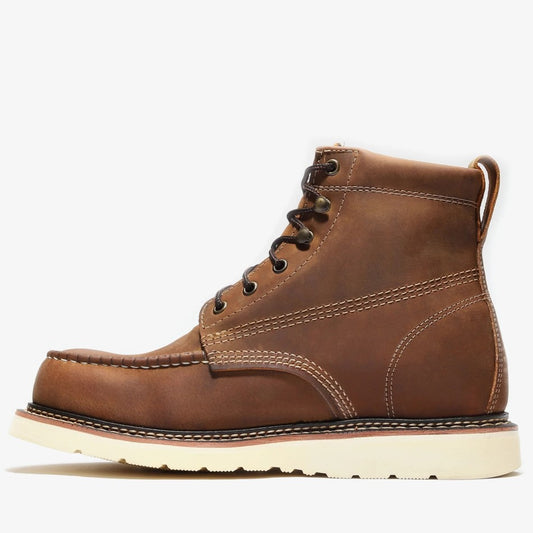
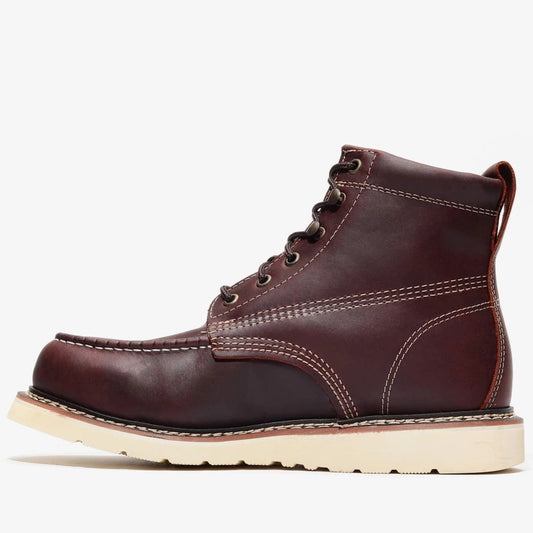
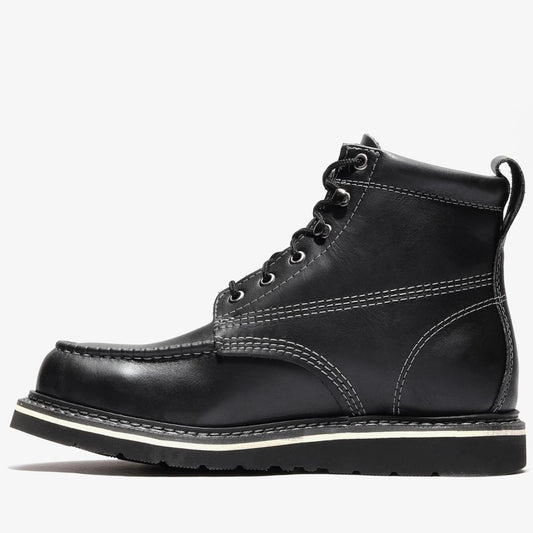
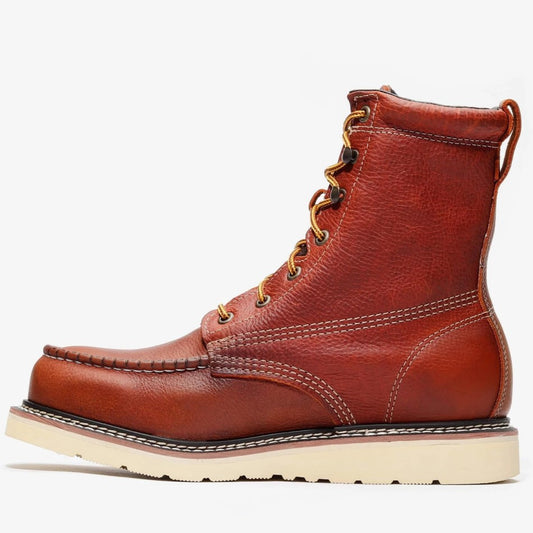
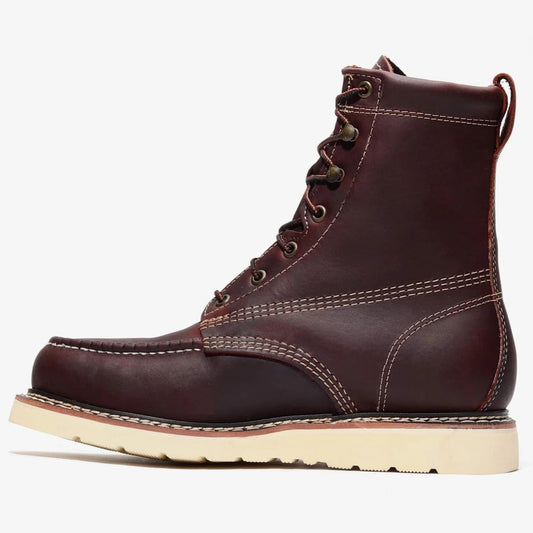
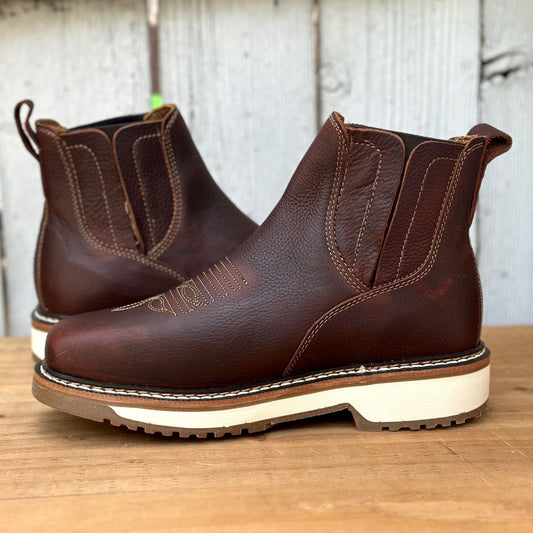
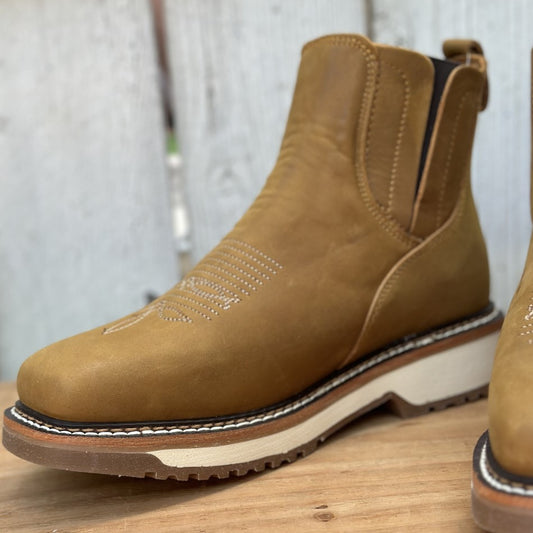
Choosing the right men's work boots starts with the conditions of the job: impact hazards, exposure to water or oil, the type of ground underfoot and the amount of ankle coverage needed. Our collection includes lace-up work boots, pull-on styles, logger boots and tactical boots made with full-grain leather or nubuck.
Safety-Toe and Soft-Toe Work Boots
A safety toe protects the front of the foot against impact and compression. Steel-toe boots use a metal cap, while composite-toe boots use reinforced nonmetallic materials such as fiberglass, carbon fiber or Kevlar. Because a composite toe contains no metal, it is generally lighter, nonmagnetic and slower to transfer heat and cold than steel. Our BA-681 is available with a composite safety toe.
Soft-toe work boots do not contain an impact- and compression-rated safety toe and are intended for jobs where that protection is not required. A safety toe also serves a different purpose from the other protective features in a boot: puncture resistance protects the bottom of the foot, while an EH rating relates to electrical hazards. In ASTM markings, I/C refers to impact and compression, EH identifies electrical-hazard protection and PR indicates puncture resistance.
4-, 6-, 8-, 9-, 10- and 12-Inch Work Boots
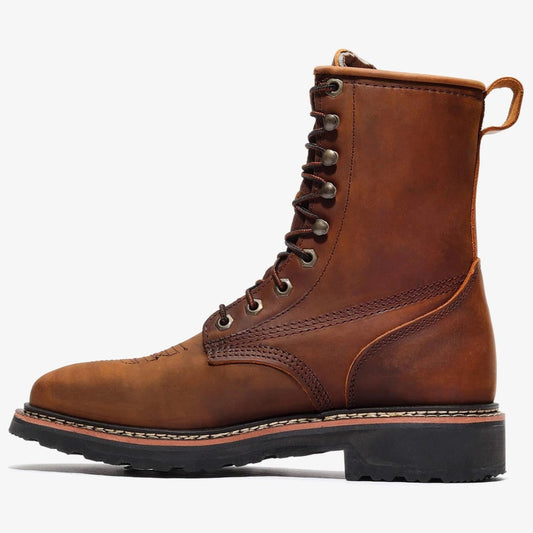
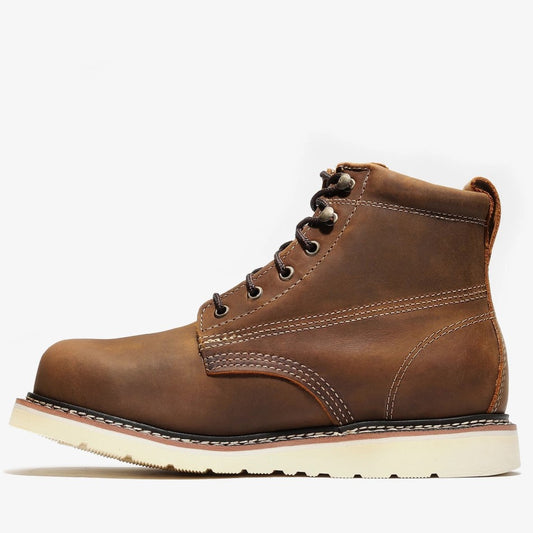
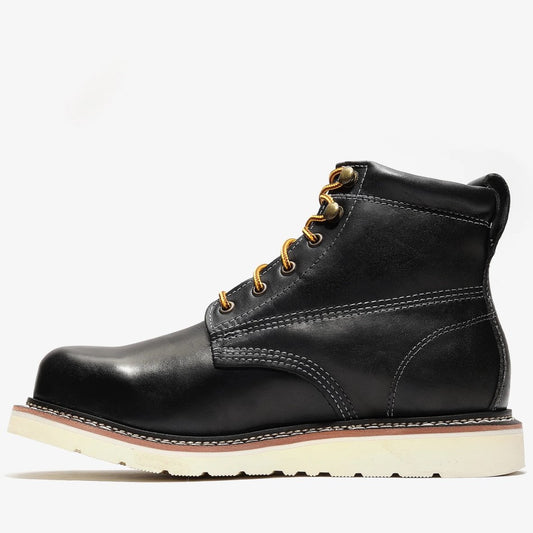
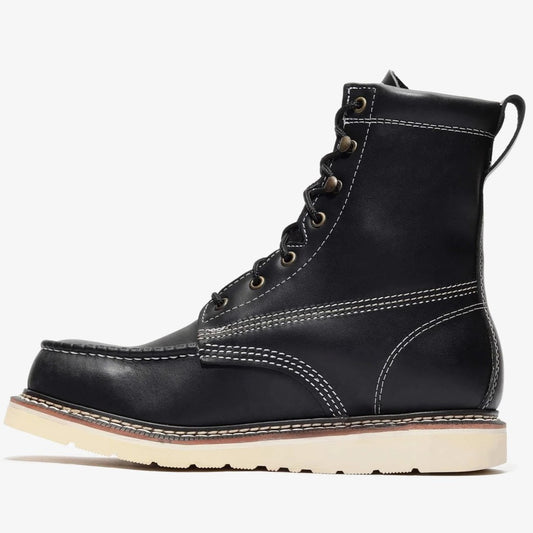
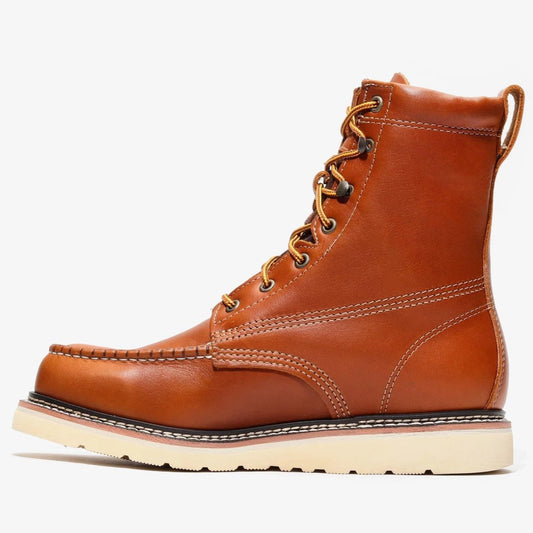
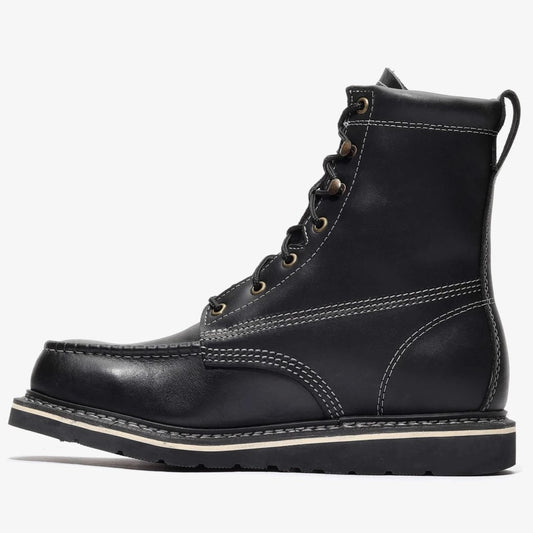
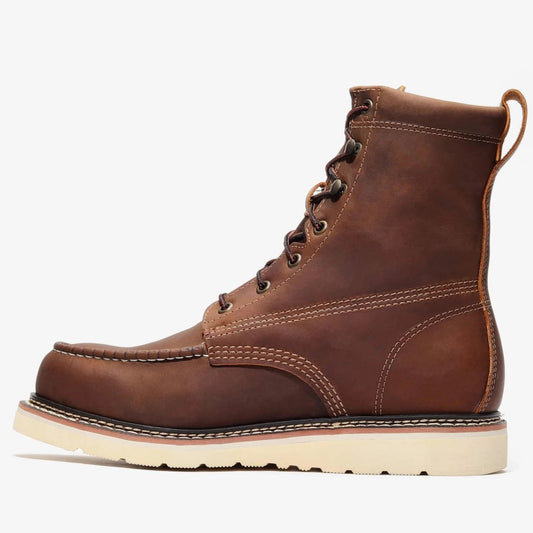
Shaft height determines how much of the ankle and lower leg a work boot covers. 4-inch work boots have a low profile that allows more ankle movement. 6-inch work boots balance mobility with coverage, while 8-inch work boots extend farther above the ankle.
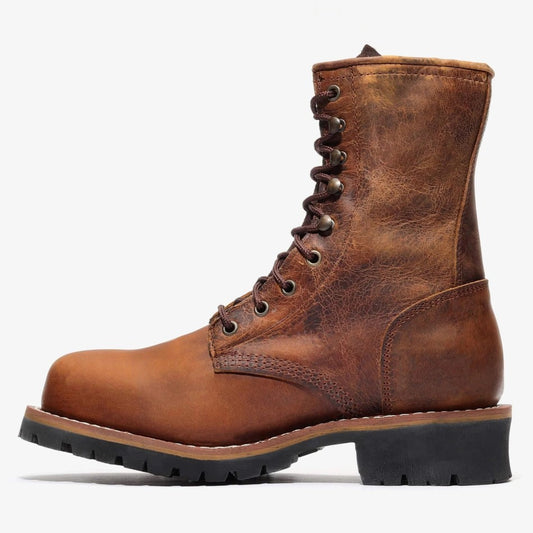
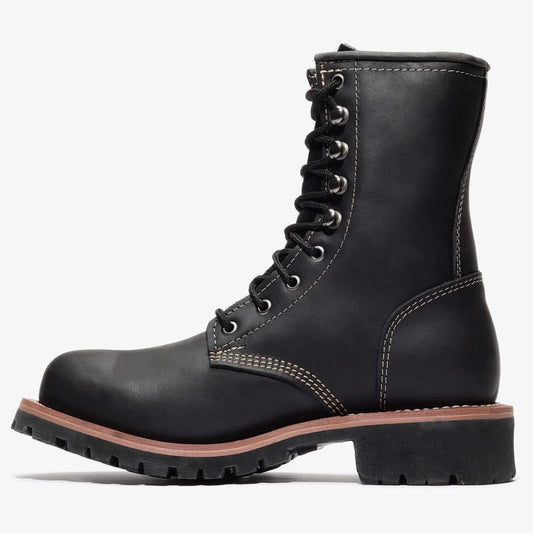
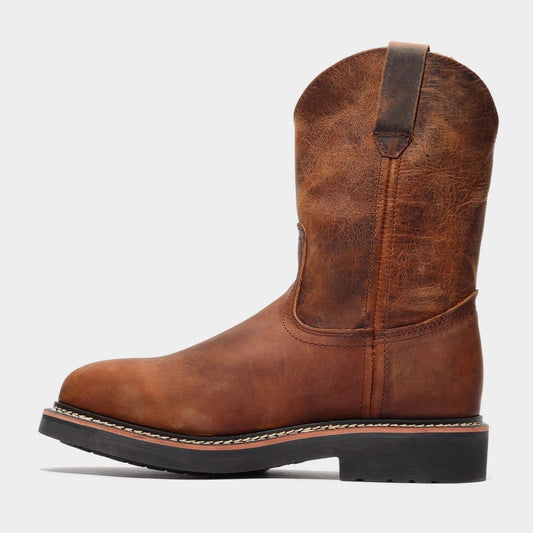
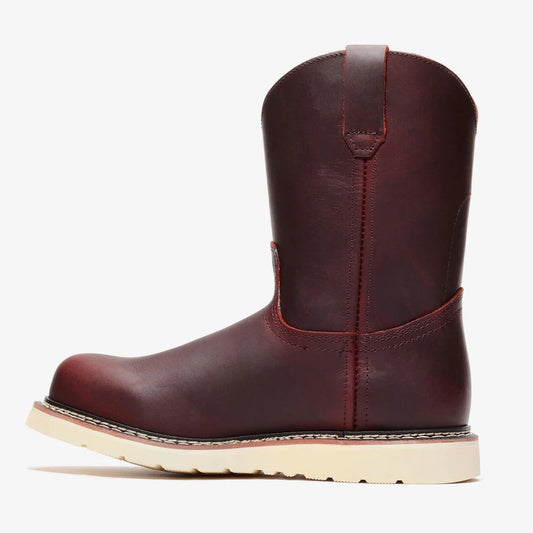
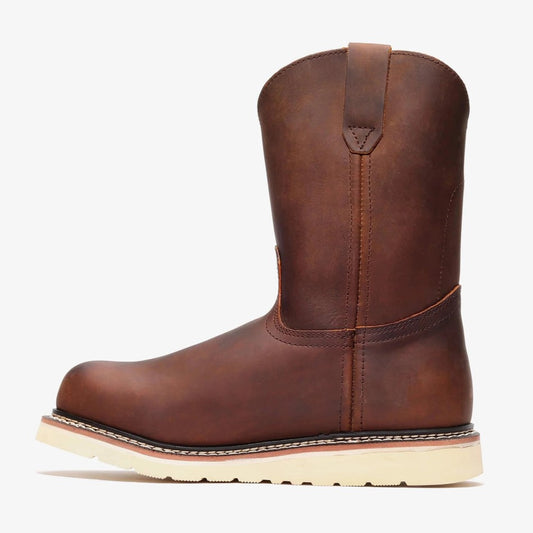
Our 9-inch work boots include logger styles with tall shafts and defined heels. The 10-inch work boots and 12-inch work boots include pull-on options without laces. Taller shafts provide more lower-leg coverage and help reduce the amount of dirt, sawdust and debris entering through the top of the boot.
Waterproof Work Boots and Outsole Features
Water-resistant leather slows moisture penetration, while an internal waterproof membrane creates an additional barrier against water. Some of our waterproof work boots combine waterproof leather, an internal membrane and a breathable mesh lining. Shaft height matters around standing water as well, since water can still enter through the top opening when it rises above the boot.
Rubber outsoles provide traction and abrasion resistance, while polyurethane helps absorb impact and reduce weight. Some work boots combine PU and rubber in the same outsole. Oil resistance and slip resistance describe different properties: oil resistance helps prevent the outsole compound from deteriorating quickly after contact with oil, while slip resistance concerns its grip against the walking surface. A PR rating indicates resistance to objects that could puncture the bottom of the boot.
Full-Grain Leather, Nubuck and Boot Construction
Full-grain leather retains the natural outer layer of the hide, where the fibers are densest, and develops a patina through wear. Nubuck comes from that same outer layer, but its surface is sanded to produce a soft texture. Crazy Horse leather is treated with oils or waxes that create changes in color when the leather bends or rubs, giving it a naturally distressed appearance.
In Goodyear welt construction, a stitched welt connects the upper to the sole around the boot. This produces a structured build and may make outsole replacement easier. In direct-attach construction, the sole is molded or bonded directly to the upper, creating a more flexible base and allowing lightweight combinations of polyurethane and rubber.
Logger, Tactical, Pull-On and Lace-Up Work Boots
Logger boots are distinguished by their tall shafts, raised heels and deep outsole tread. A defined heel helps keep the foot positioned on a ladder rung, while deep tread improves traction on dirt and uneven ground. Tactical work boots commonly combine leather with textile panels, laces and coverage above the ankle.
Pull-on work boots use a wide opening and pull tabs instead of laces, allowing them to be put on and removed quickly. Lace-up work boots allow the wearer to adjust the fit around the instep and ankle. The right construction depends on the coverage, adjustability and ease of use required for the job.
 Skip to content